Harmful policies are widespread and hinder your creativity and collaborative efforts. What occurs when we prioritize community during challenging times in your life?
Creative Burnout is a mere “thought space” for people who work in systems change. Our first event was held digitally in 2024 for people in communications and marketing who meet at the intersection of systems-change work, like policy, organizing, or abolition spaces. This time, we held Creative Burnout in person in Houston, Texas. We collaborated with residents and creative artists to create a space where people could come together to photograph community.
The theme was “People, Places, and Porches,” while centering storytelling moments of those who occupy the community, from business owners to residents. Creating a harmonious moment where we can feel seen and heard through intentional practices of building liberation through creative moments. Policy change discussion meets at the intersection of Creative Burnout. Holding space to share practices that have always benefited those directly impacted by systems change. I currently work in immigration and organizing. My time has been stretched thin, leaving moments where I suppress my creative side. Either I’m fearful of change, lack funding, or worry about surviving during these times. I have had these conversations with close friends, and they made me realize I was projecting my fears onto others because I couldn’t execute my personal projects. But Creative Burnout is just that. I had to go back to why I created the space. Systems, especially those that harm community, are not our responsibility or our shame, because we didn’t create these moments. However, I do think we have a responsibility to organize, collaborate, and work to dismantle what we have learned as our world spread deeper into fascism-rooted structures.
During the walk, we focused on intentionality and building awareness of why we showed up collectively. For some, yes, it was to meet people and take some photos. However, during moments of reflection, we paused to talk about our personal Burnout and shared moments of compassion as we heard community members during storytelling. We need more uncurated spaces, and more moments to be for those who don’t know where their creative ability needs to land, or how to show up for either our projects, but mostly each other.
Here are some photos from the participants who joined me on the walk, and I hope to host another “Creative Burnout” that meets at the intersection of our deepest thoughts and explorative moments life has to offer.
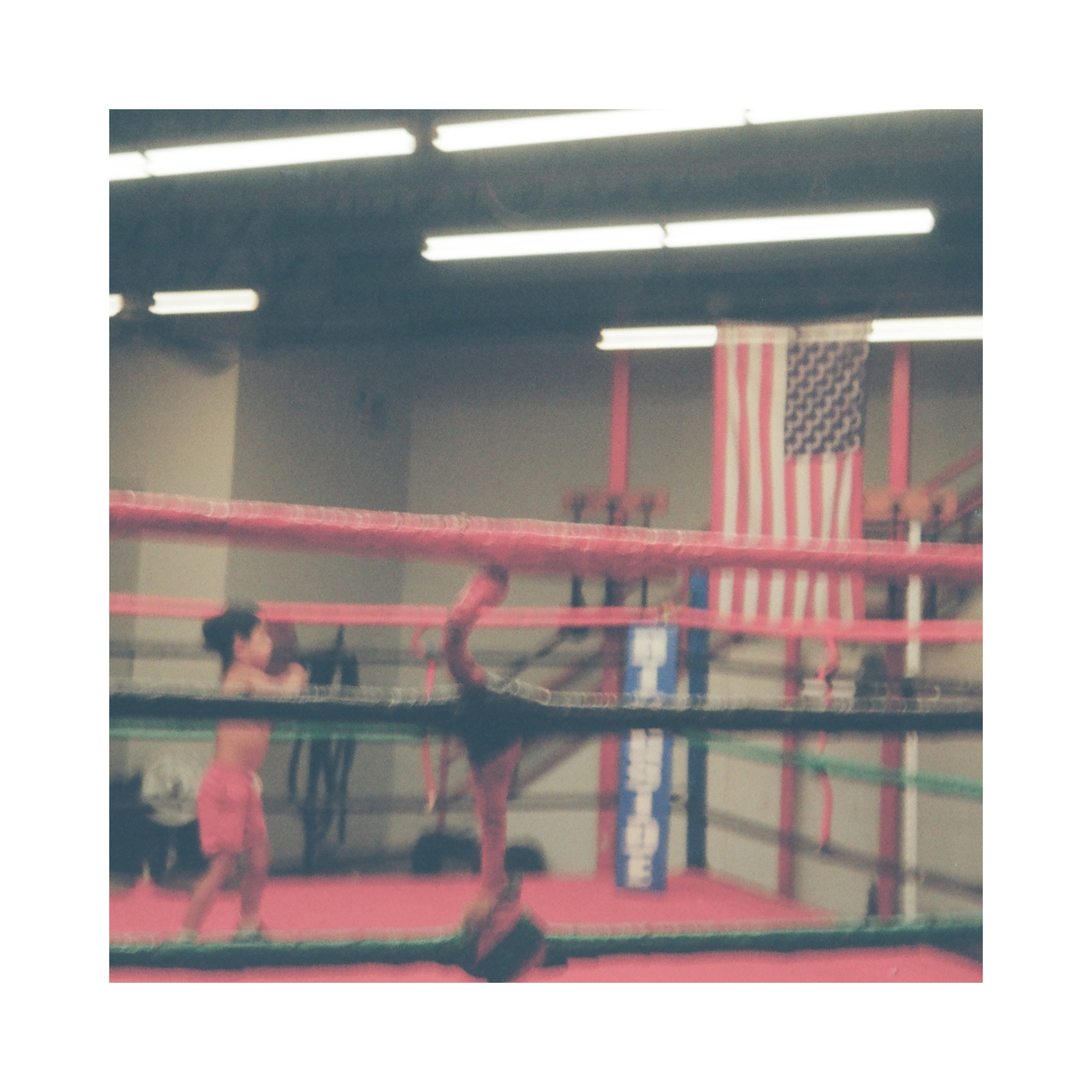
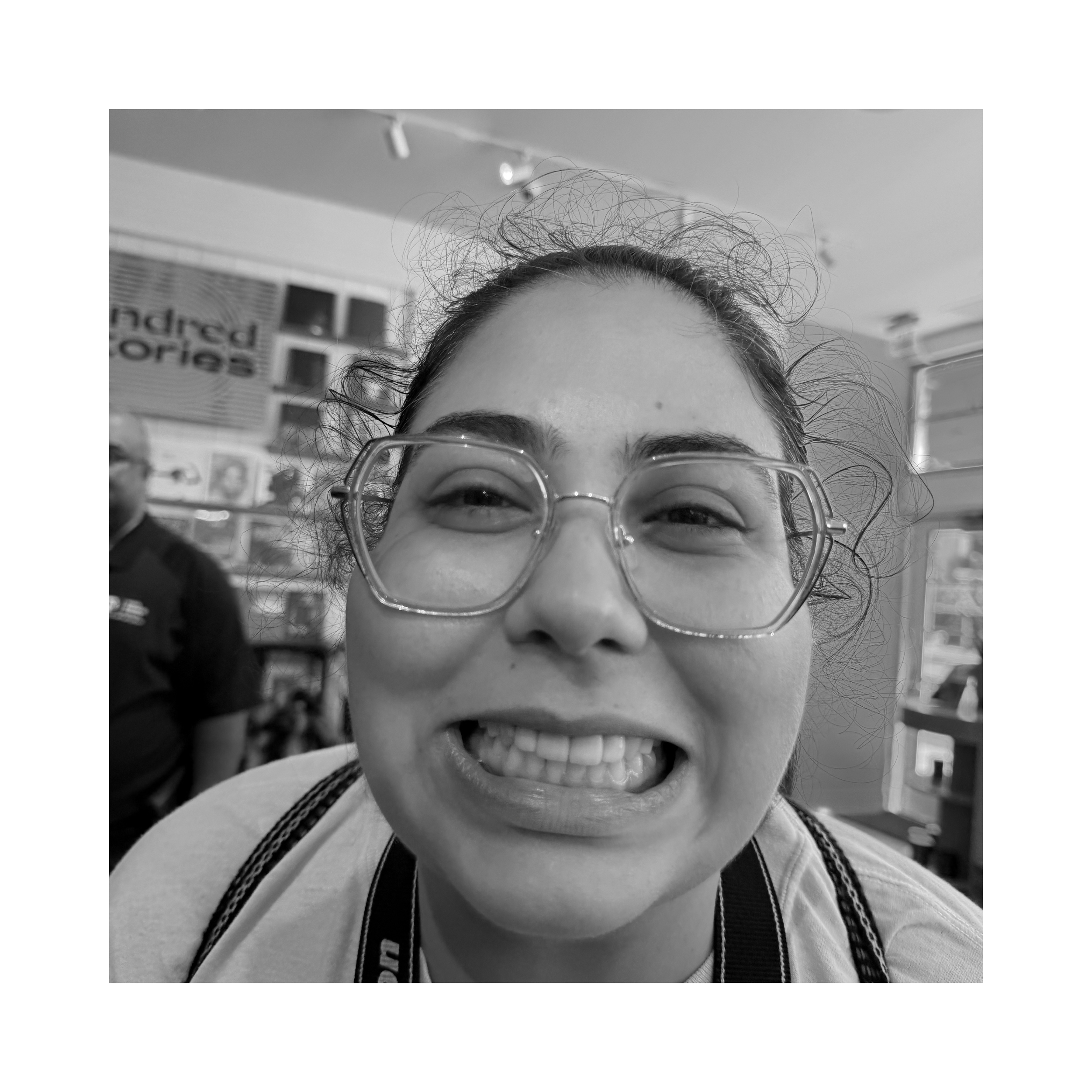
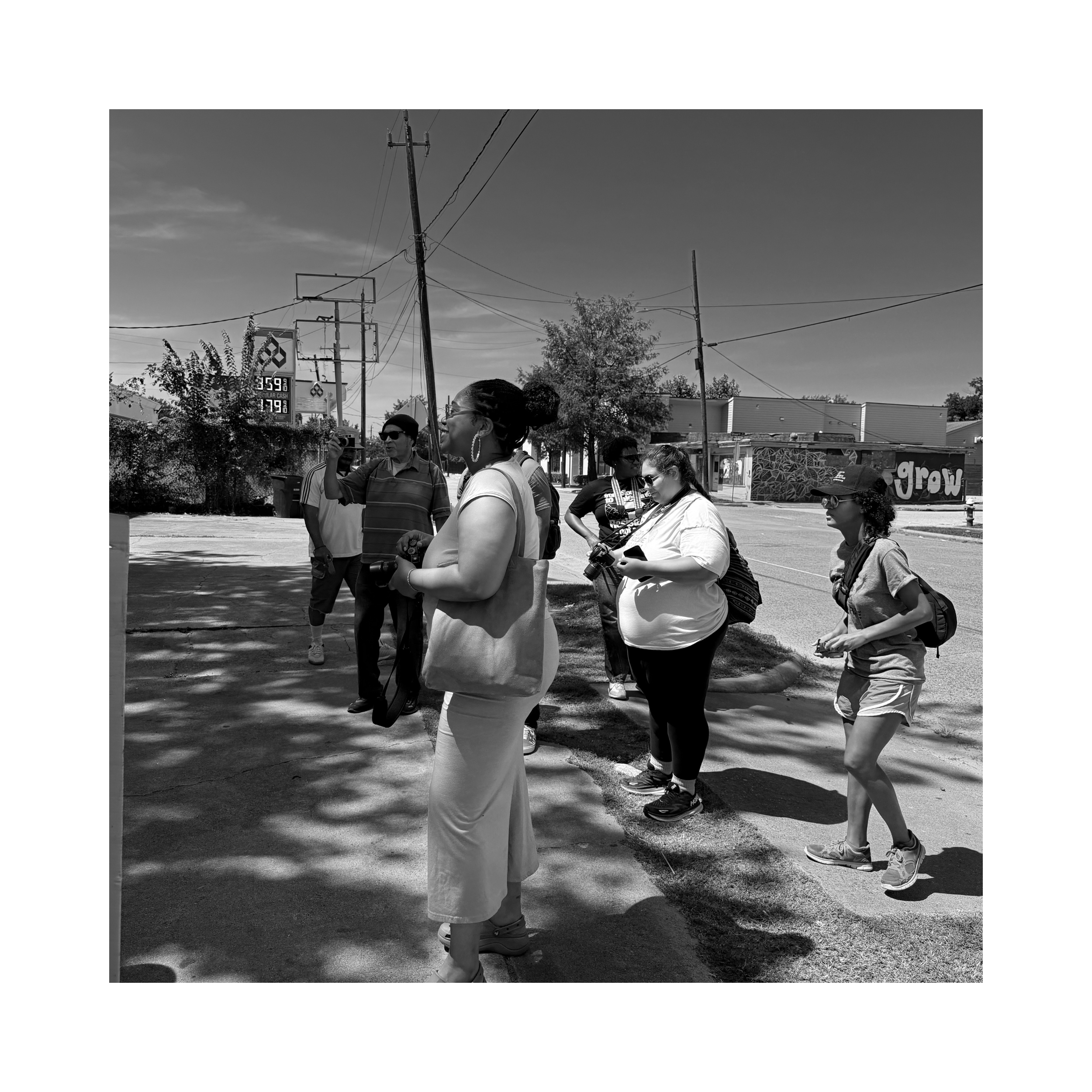
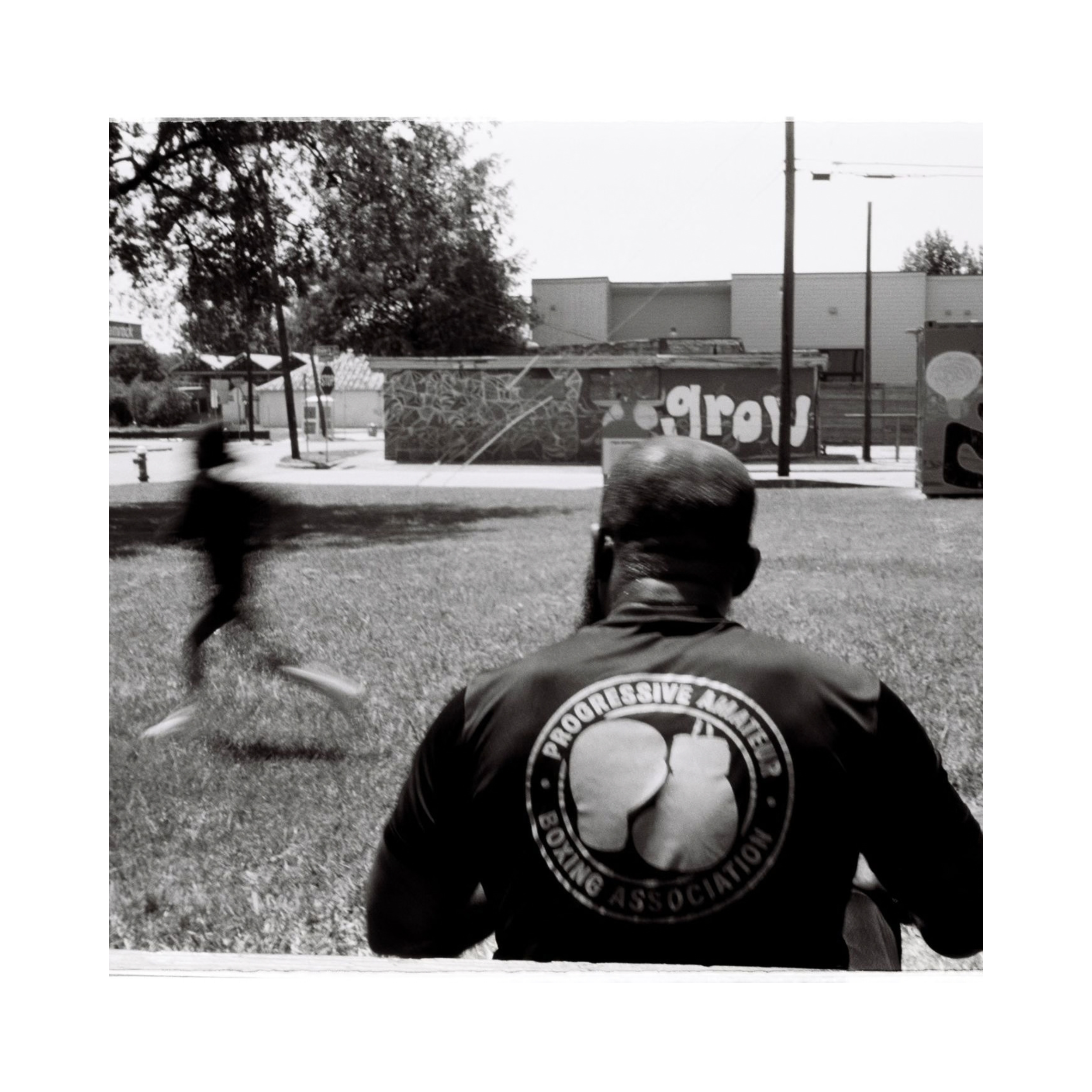
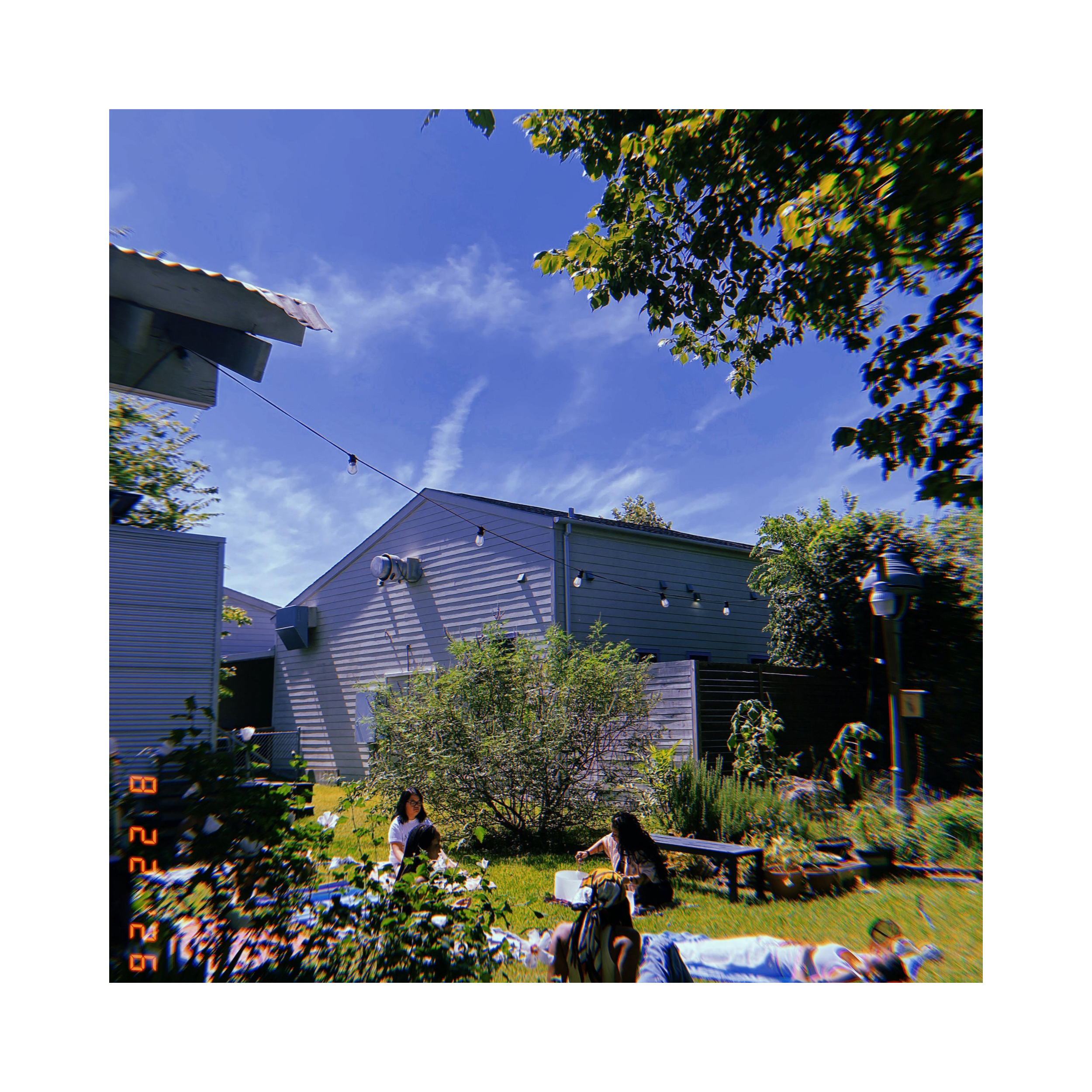
What happens when we come together to build creative spaces? What occurs when our visions collide? I've been grappling with the challenges of creativity. Over the past few years, I’ve been overwhelmed with work while trying to carve out a space for myself in systems change. With that comes the weight of all life's responsibilities. Capitalism often thrives on misery, and I’ve realized that my lack of creativity has left me feeling lost. I used to be so exploratory and unconcerned about making mistakes within my work, but at some point along the way, I feel like I lost my direction. I lost sight of the fact that my designs, photos, and overall creativity should be able to fail, loosen up, and not make. That’s part of the process and the journey of creating. My mental health has taken a toll, depleting everything within me, but I sense that things are beginning to shift. Below are some images I took over the past few months, reigniting the joy I needed to get back outside and capture my perspective through my lens.
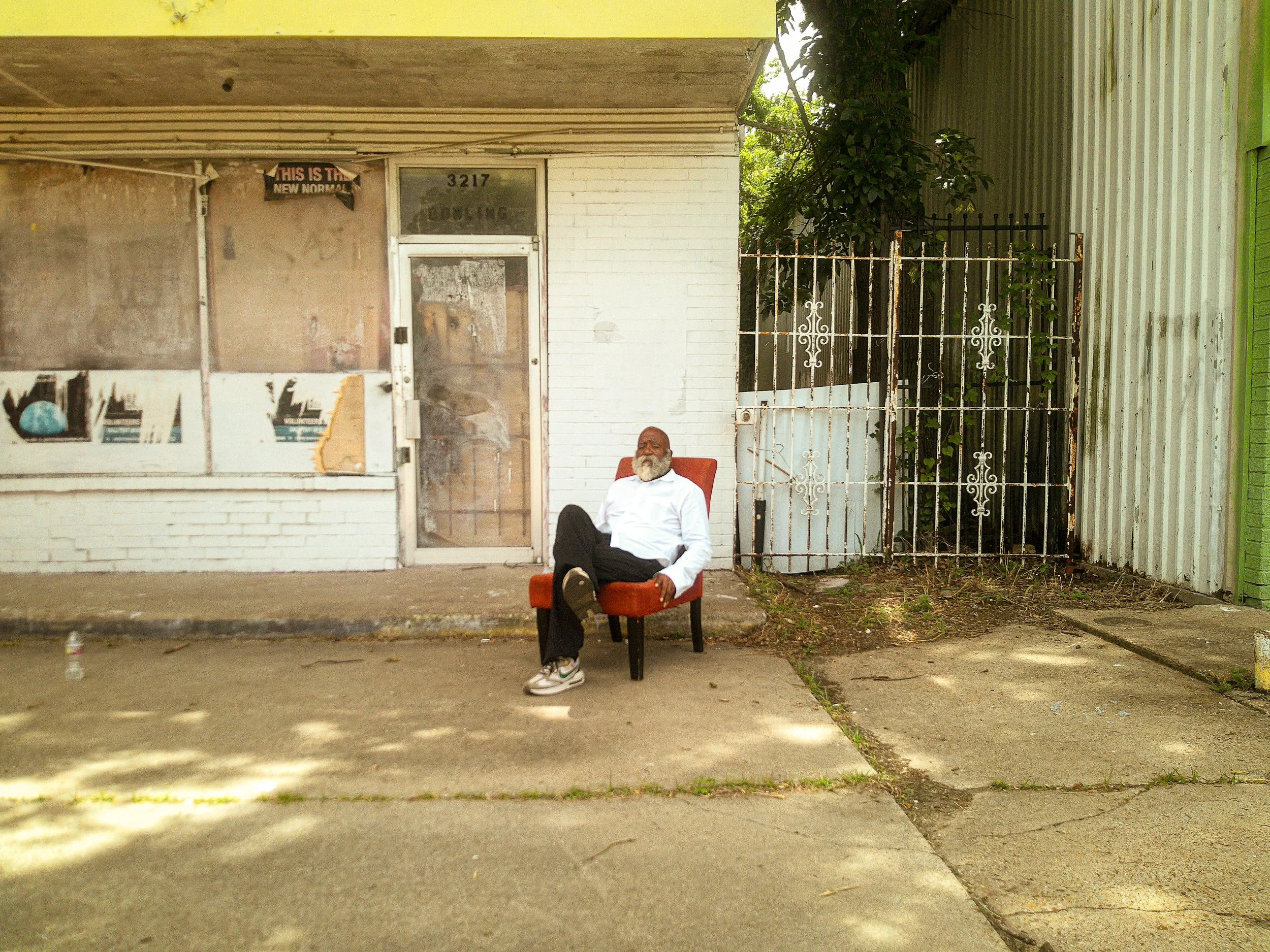
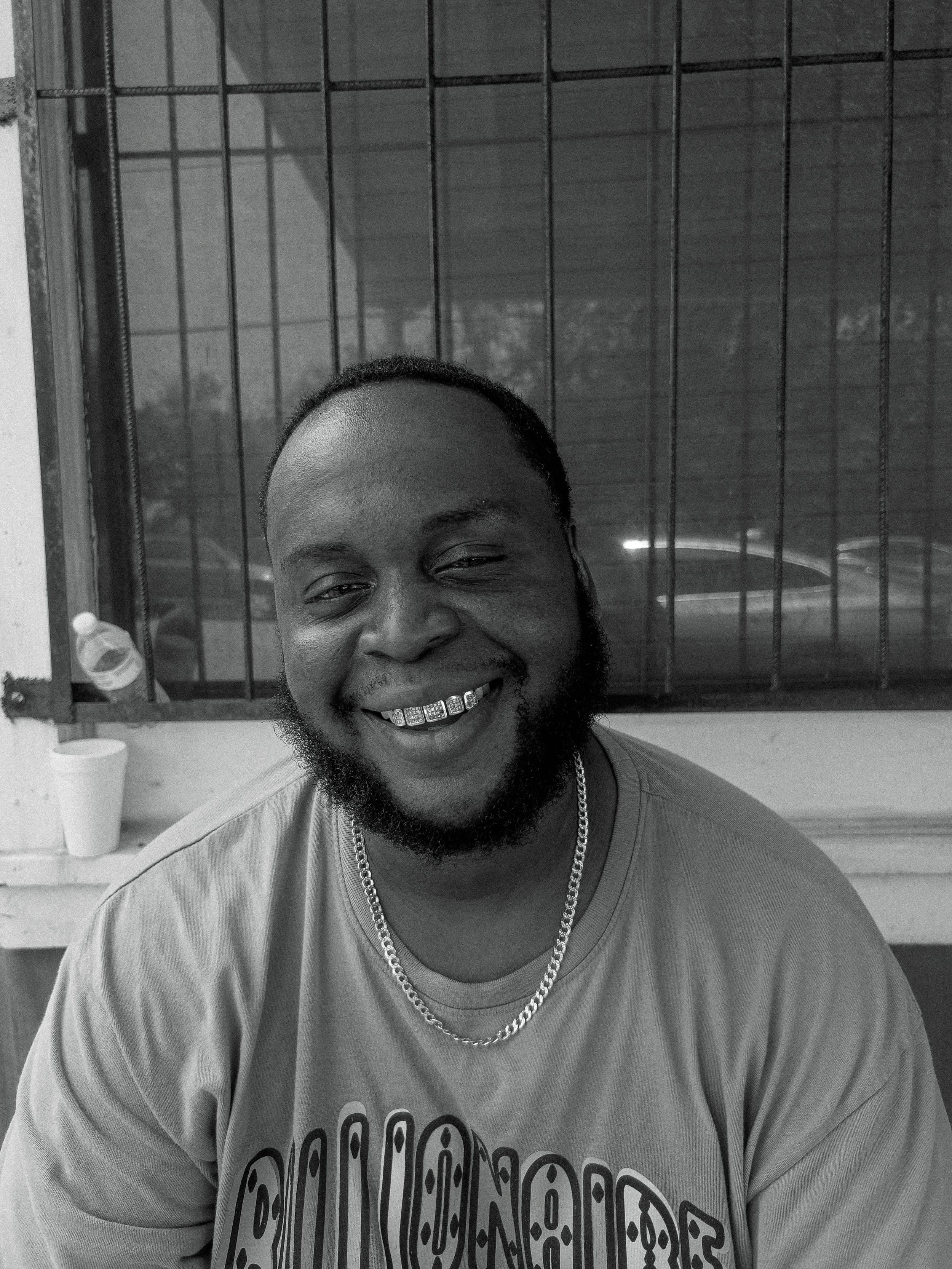
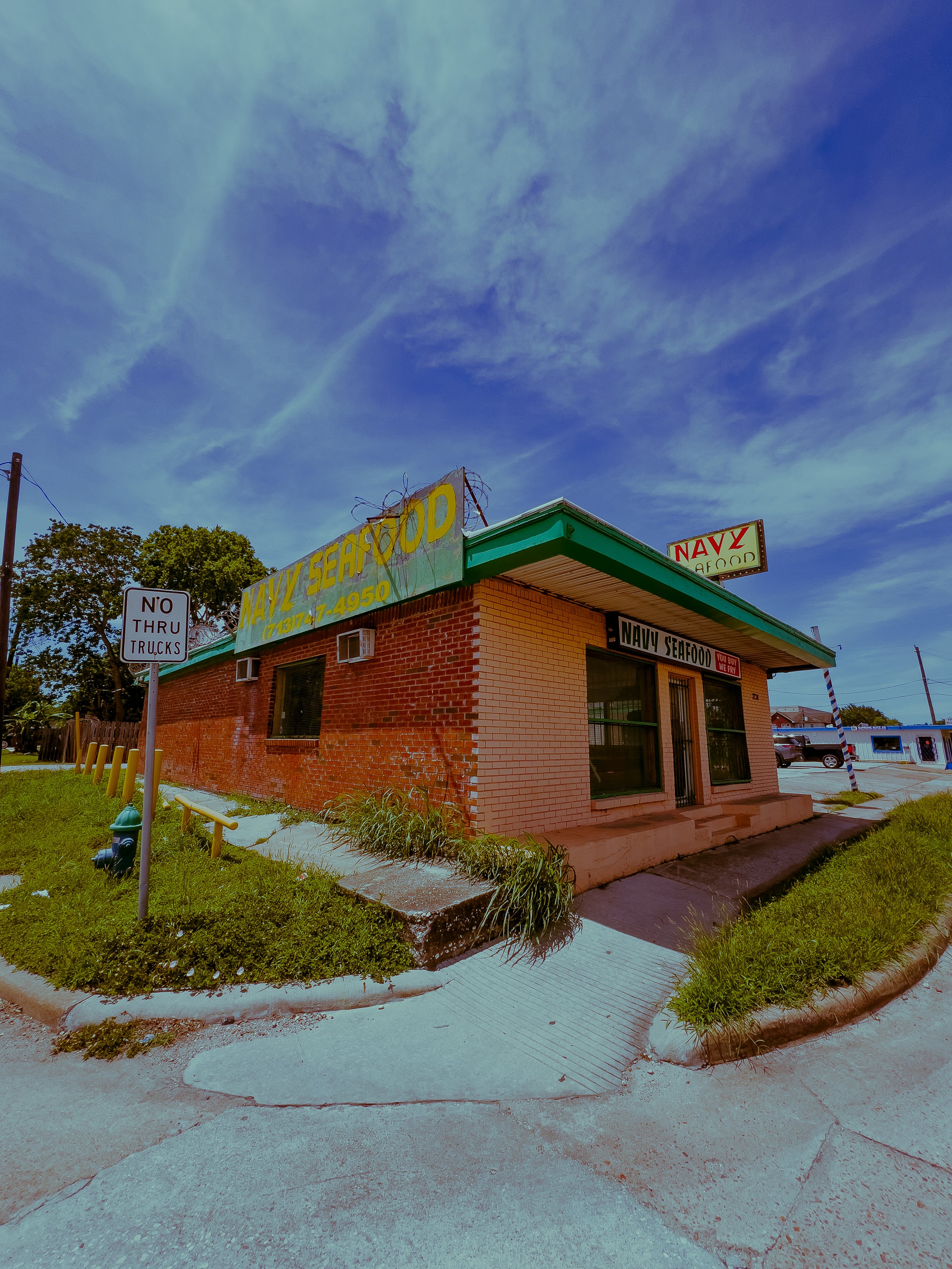
When we think of Reform, are we intentionally working to dismantle the criminal legal system so that Black and brown bodies have the potential to thrive, or are we working towards Reform to uphold the practices that will keep us bound and tied to a system that makes us feel comfortable and “safe?”
Community is intersected between love, liberation, healing, and even chaos.
I see the community throughout while I’m among the residents.
I know the community when we fellowship at local churches, restaurants, and bus stops, passing each other on the sidewalk.
When we gather for intentional meetings about organizing or movement building, I know the community.
I see community all around me.
When people think of abolition, it tends to scare people because it’s not rooted in what we think is safety. We consider safety a way for law and order to control us.
Safety is a space where we have to abide by the justice system.
Reform is another way for people to feel “safe,” and the community does not want that.
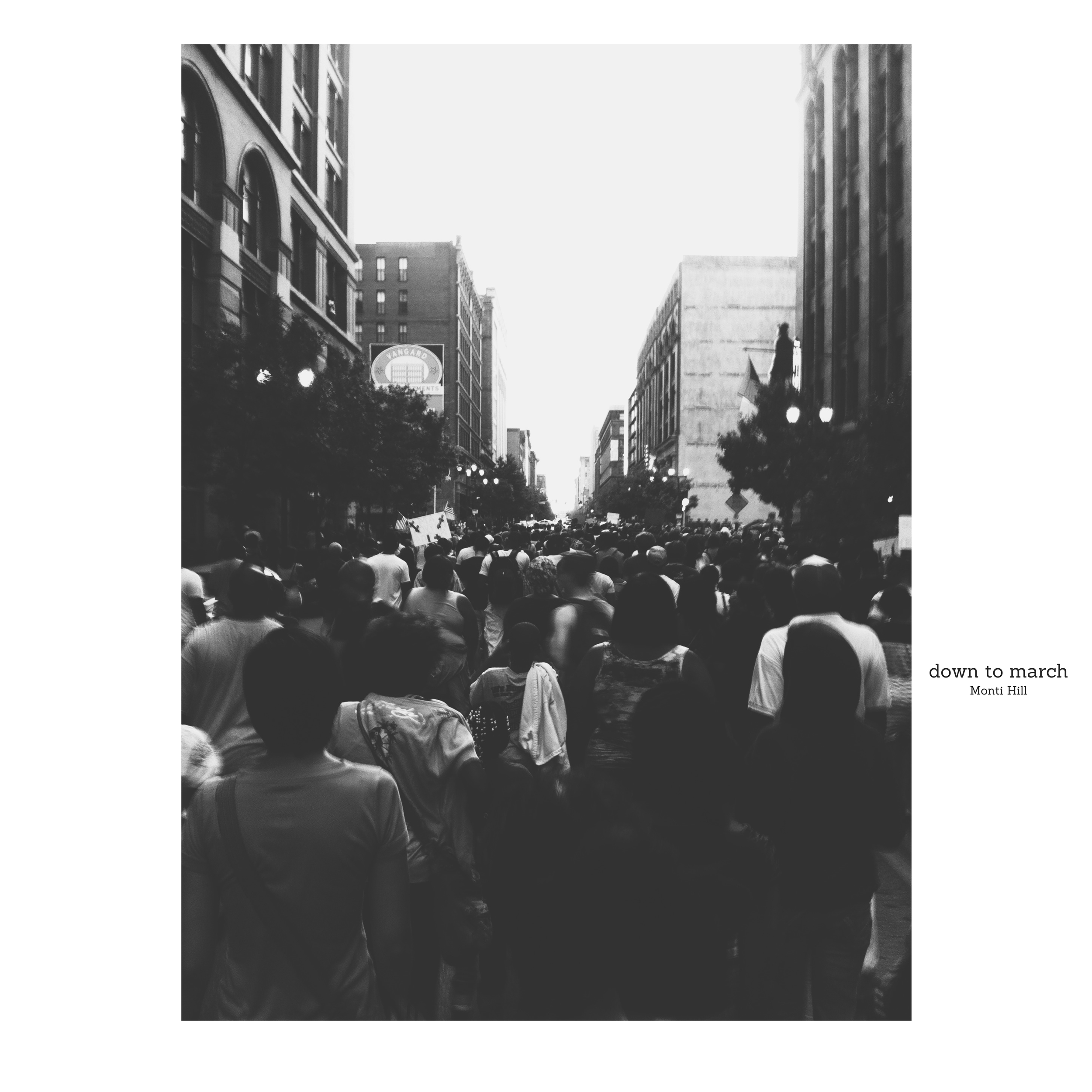
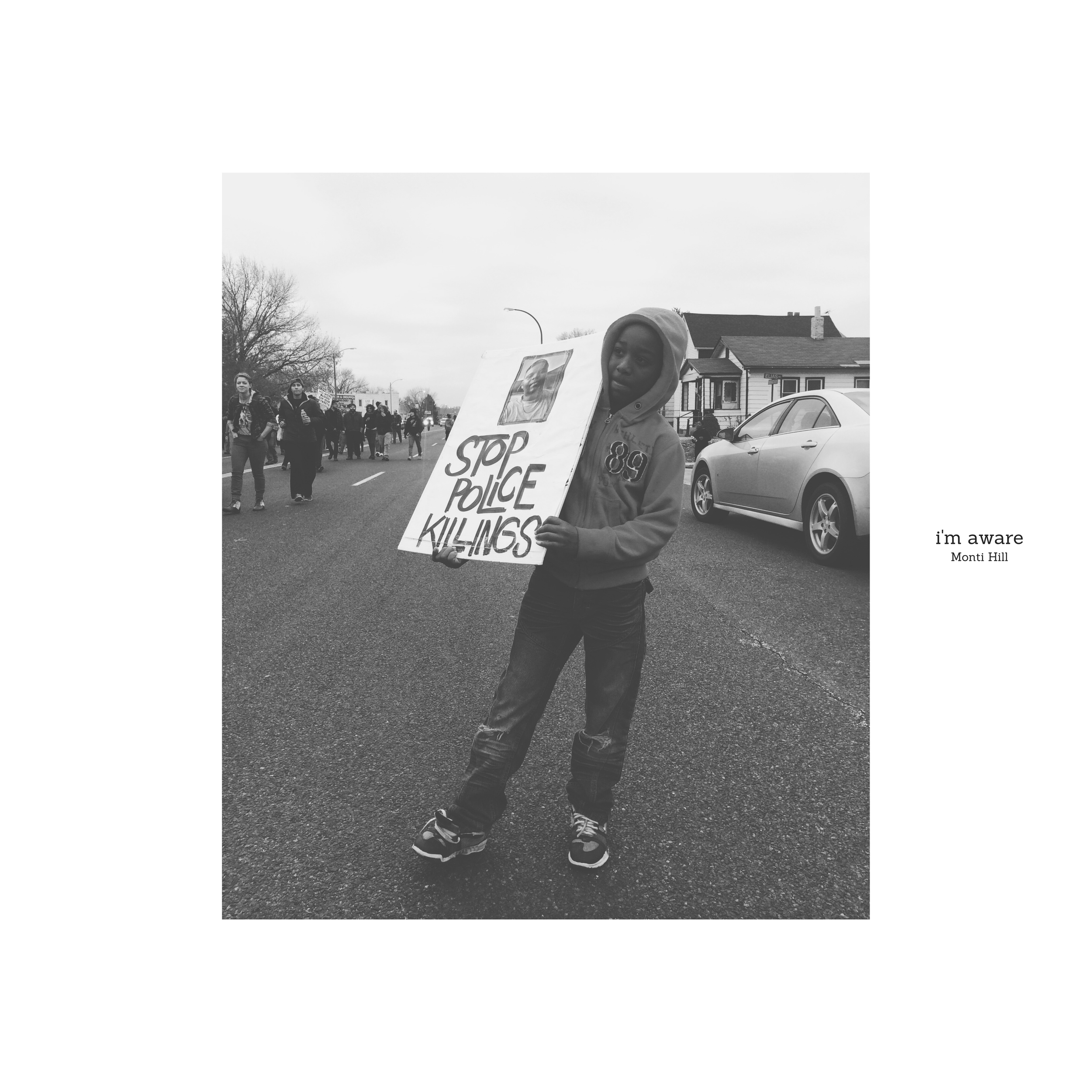
After the Ferguson Uprising in Ferguson, Missouri, a county outside of St. Louis City, several other uprisings around the nation sparked a call to action, not just among me but among activists, organizers, and residents who felt unsafe around reform movements.
Images can spark a discussion of how you view uprisings or radical spaces that invite love, healing, and dismantlement. They can also spark joy and healing and be a mirror for those learning what an ancestral lens looks like.
Eventually, we can move past the discussions and get involved in learning, being, and doing more. Abolition is healing through images and feelings.


These images were taken during the summer, fall, and winter of the Ferguson uprising—a reminder that community is rooted in healing, love, and, most importantly, abolition. The death of Mike Brown Jr. shook up the nation because of the movement building of organizers and residents in a small county of St. Louis, Missouri.






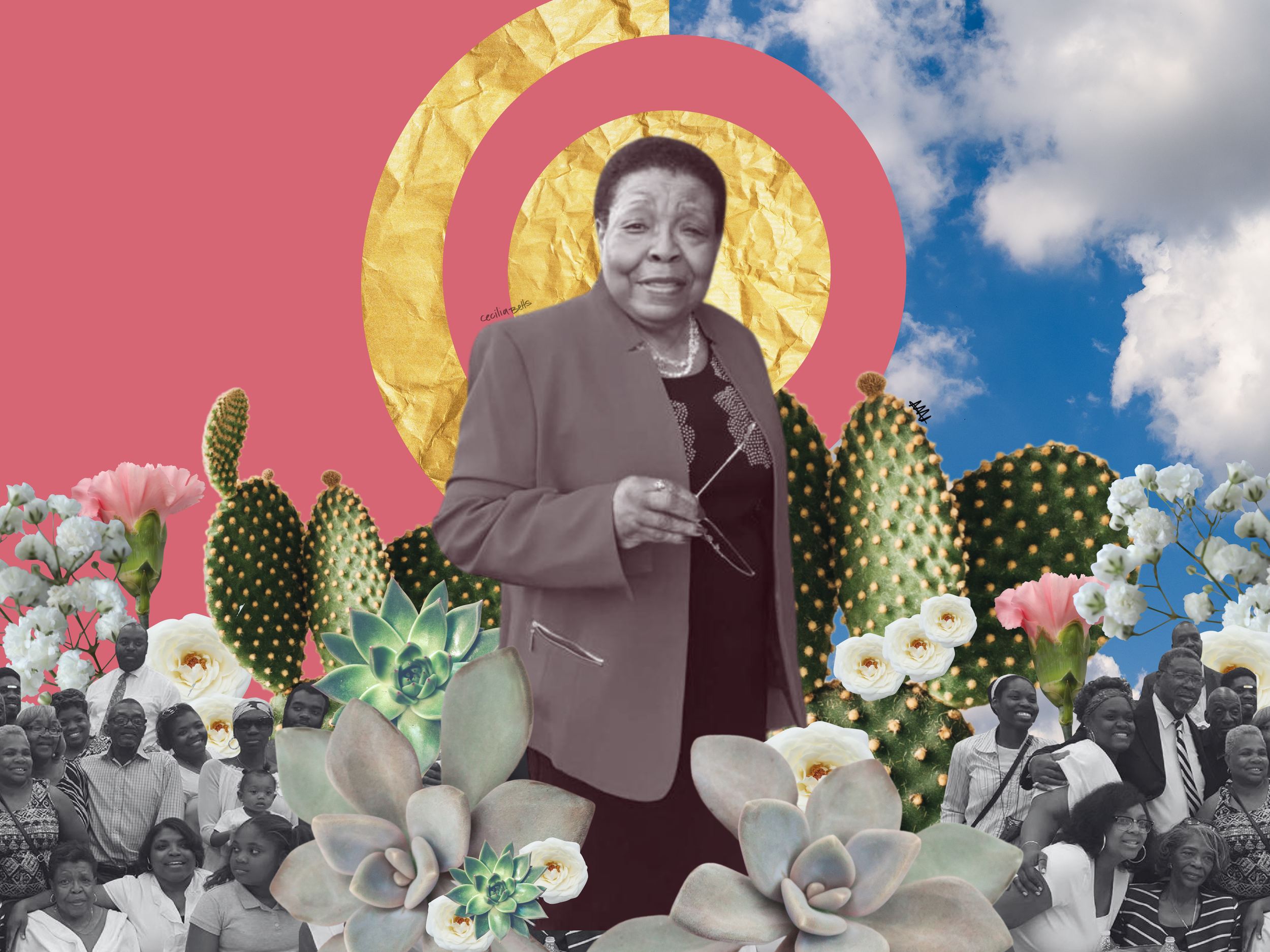
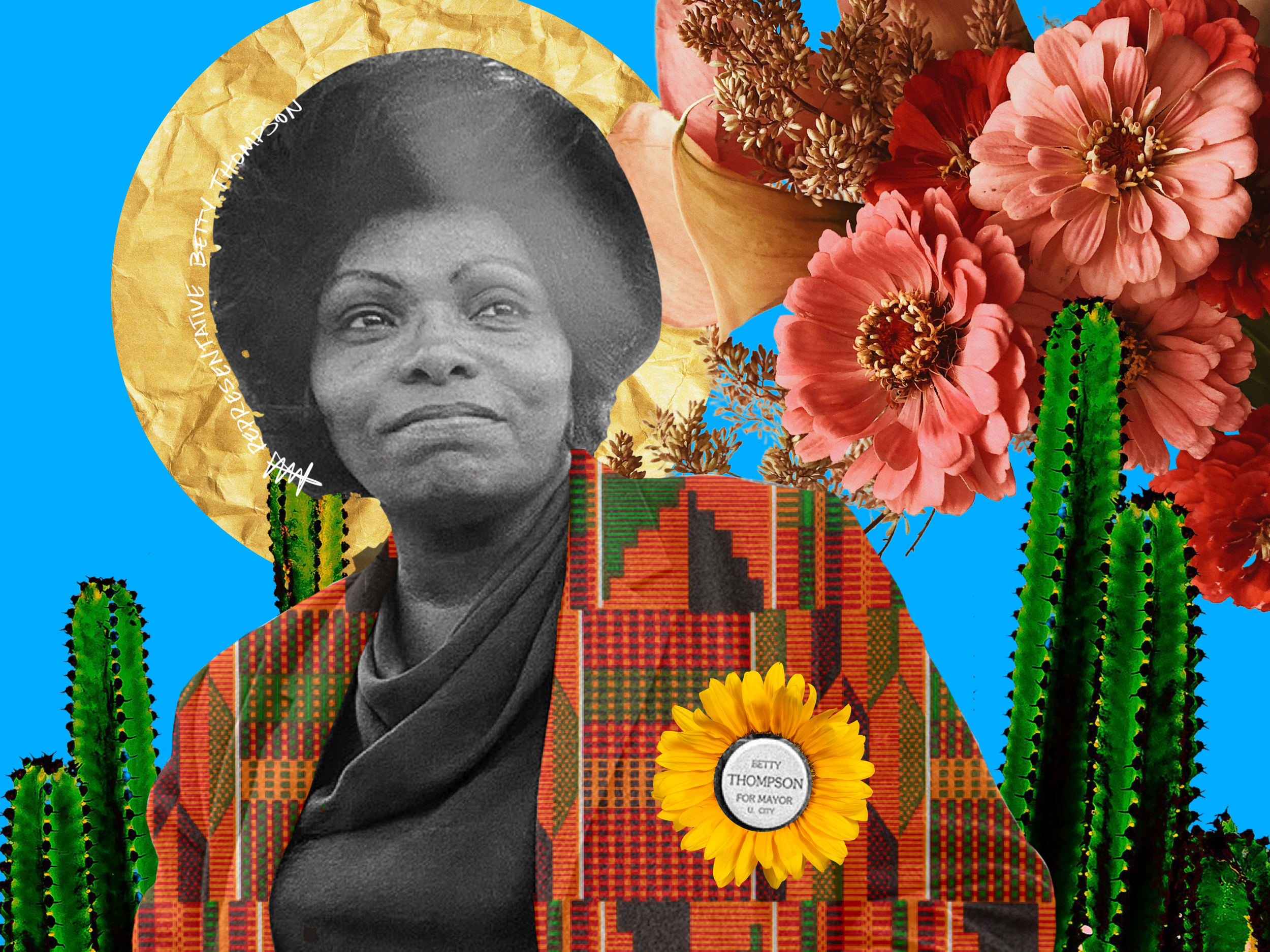
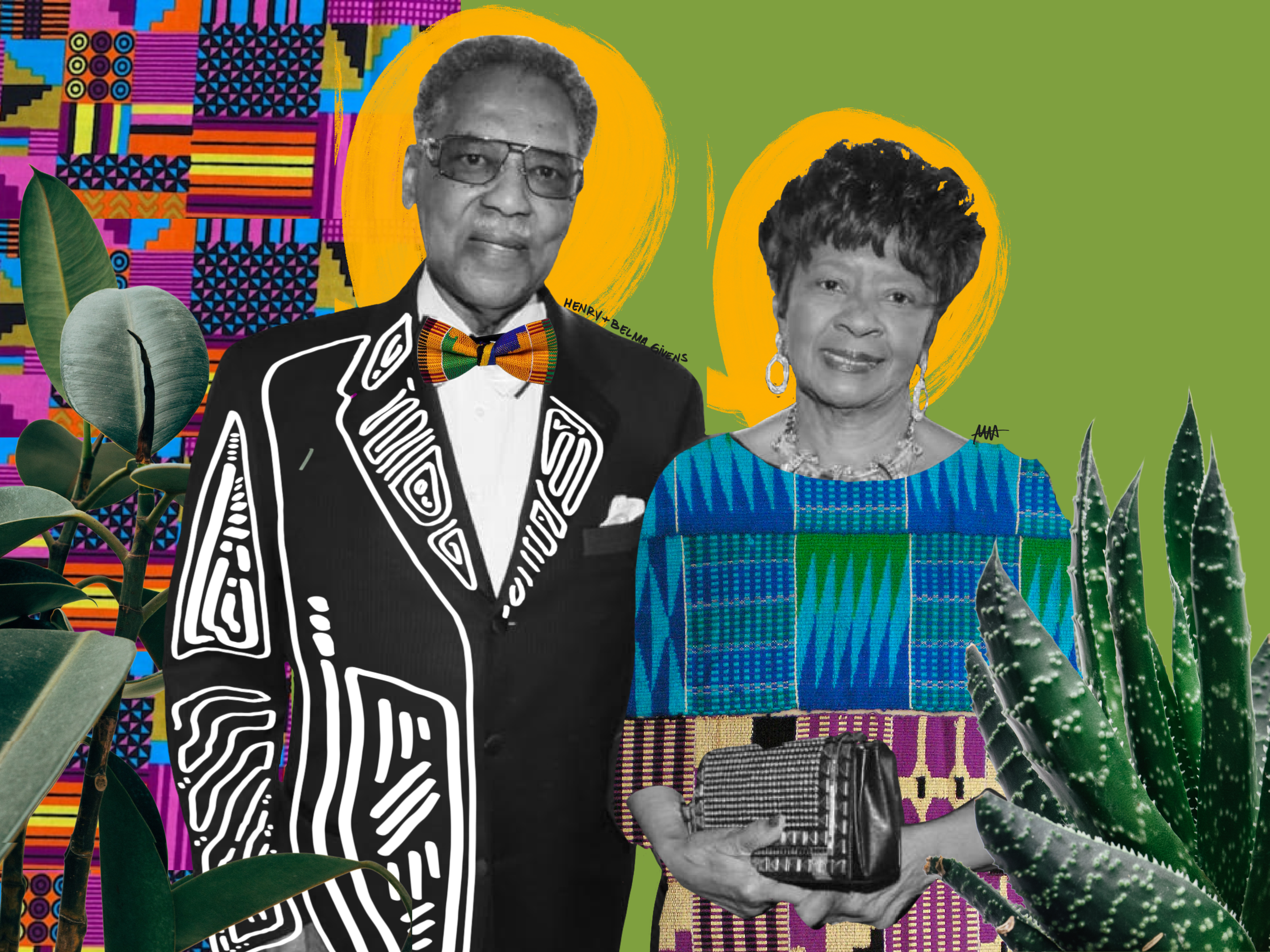
These collages were made to center three people who grew up in The Ville. A small but mighty community centered around Black families, domestic workers, innovators, rock stars, health workers, politicians, and the community. The Ville is a testament to the resilience of Black people in the United States and St. Louis. The Ville stretches about half a square mile. Yet, its roots also stretched through harmful policy changes that were formed by the racism, restrictions, and exclusionary policies of the St. Louis region. These collages were shown at the annual Trap Run, which is held to promote improvements in infrastructure, community resilience, and sustainable community engagement.